Because of you…

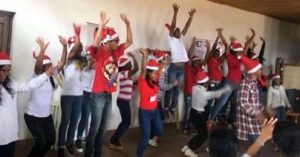
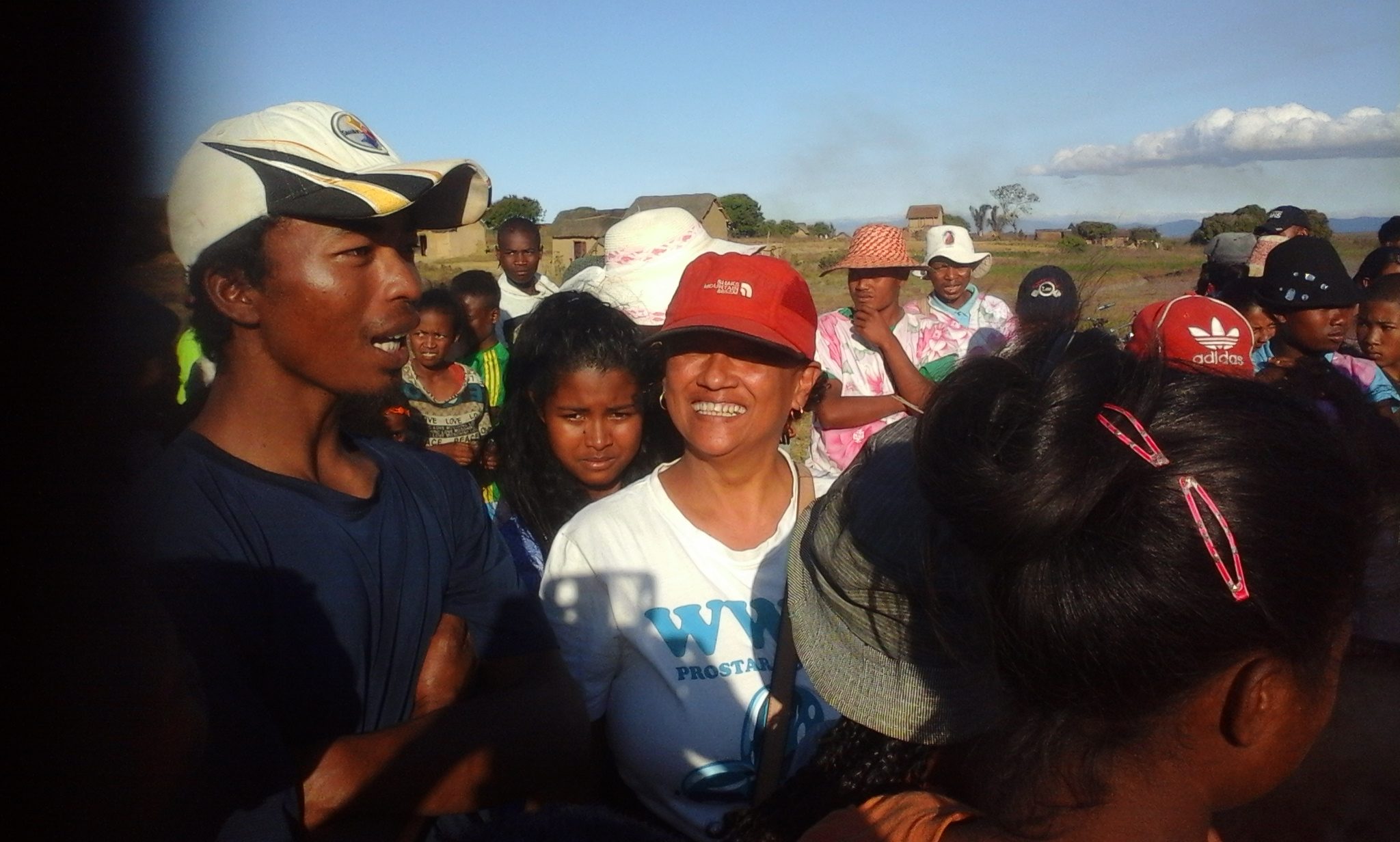
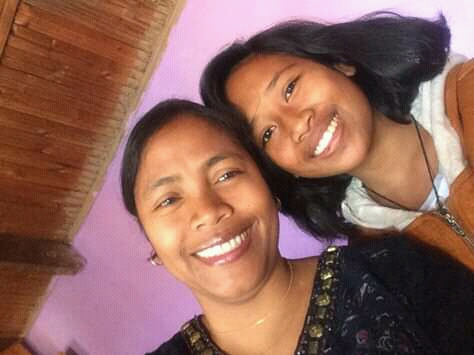
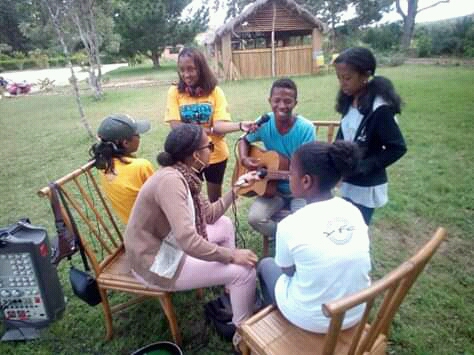
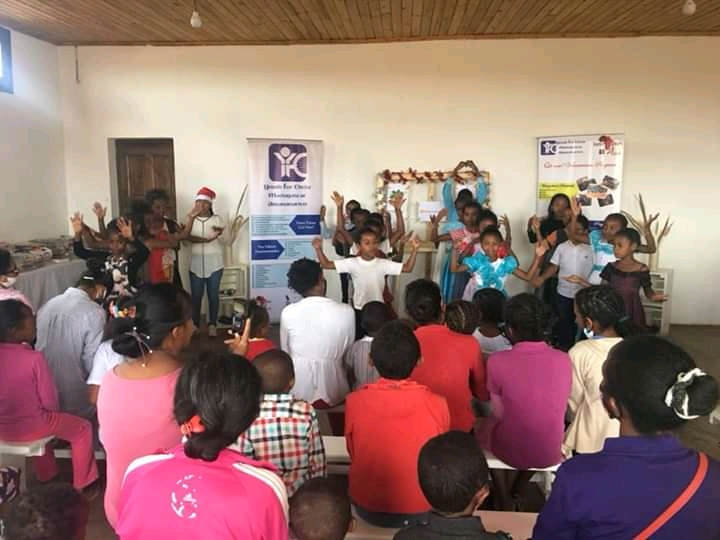
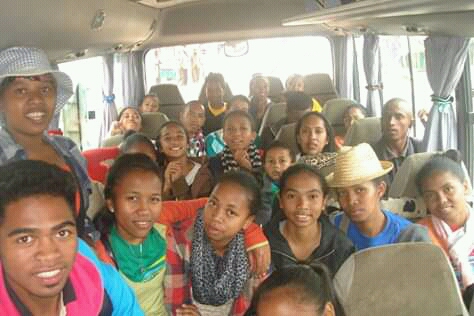
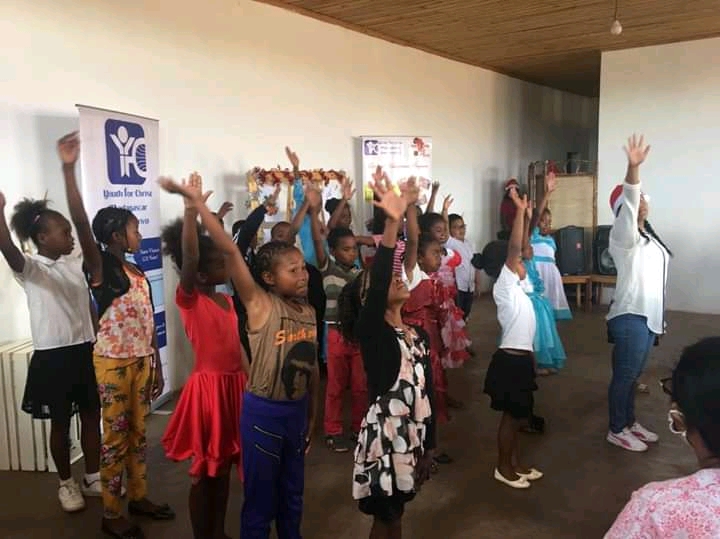
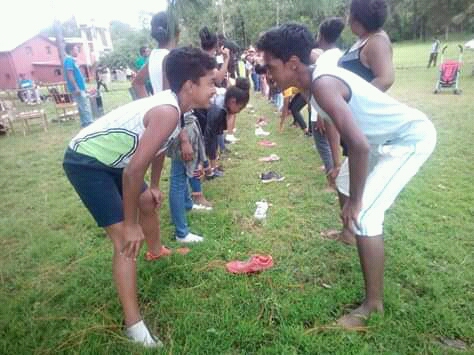
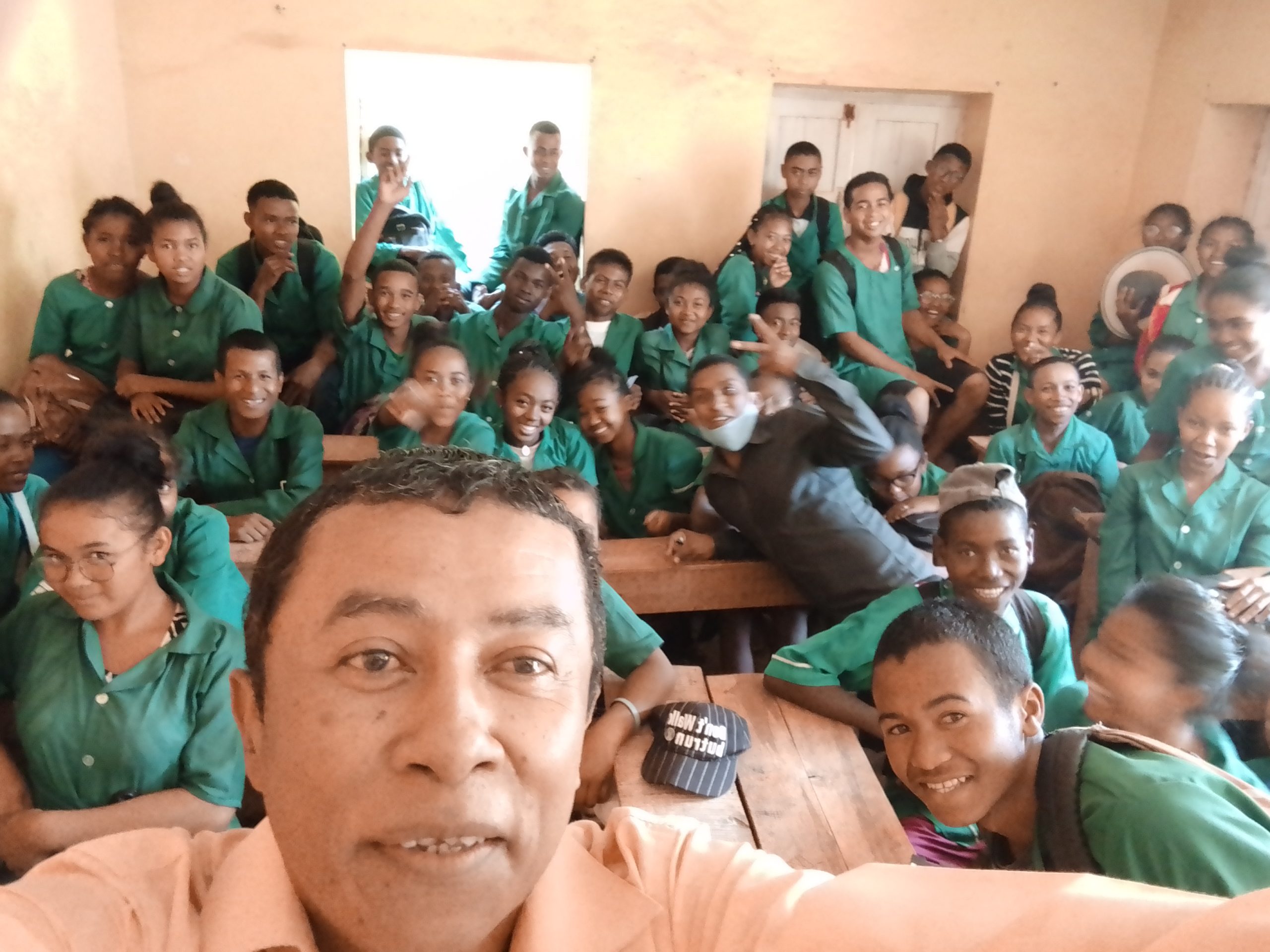
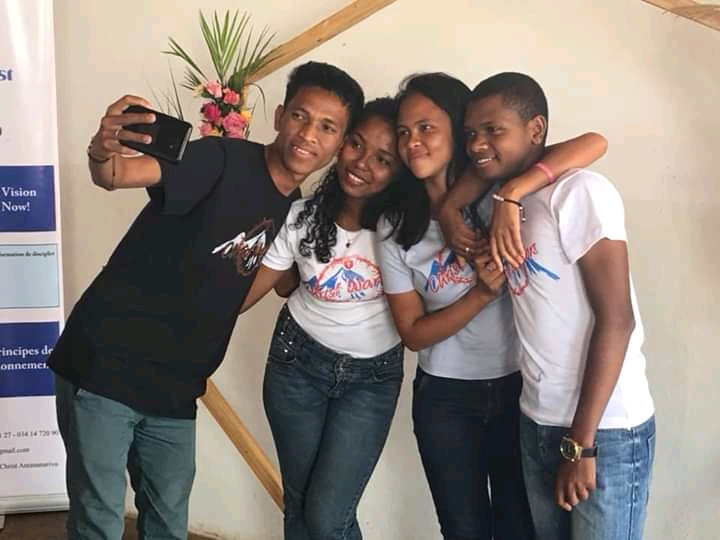
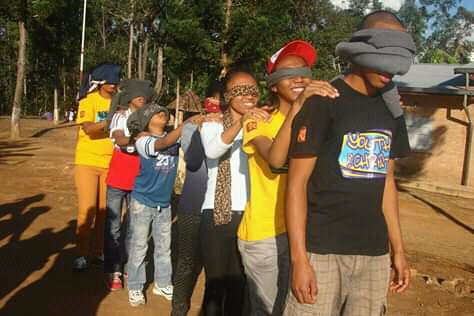
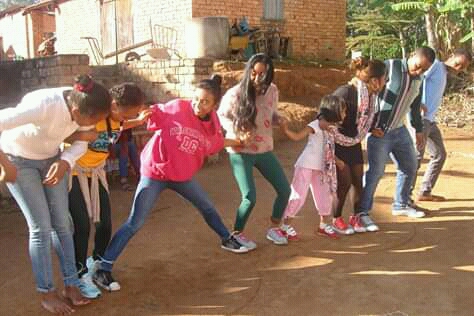
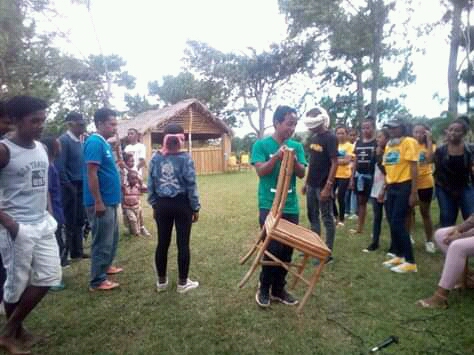
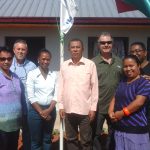
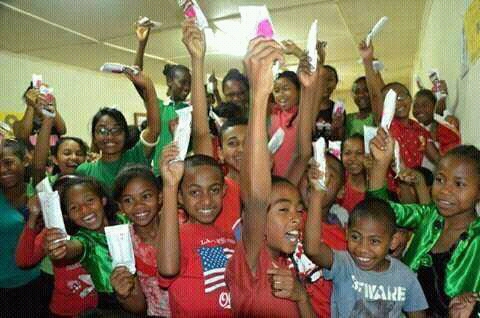
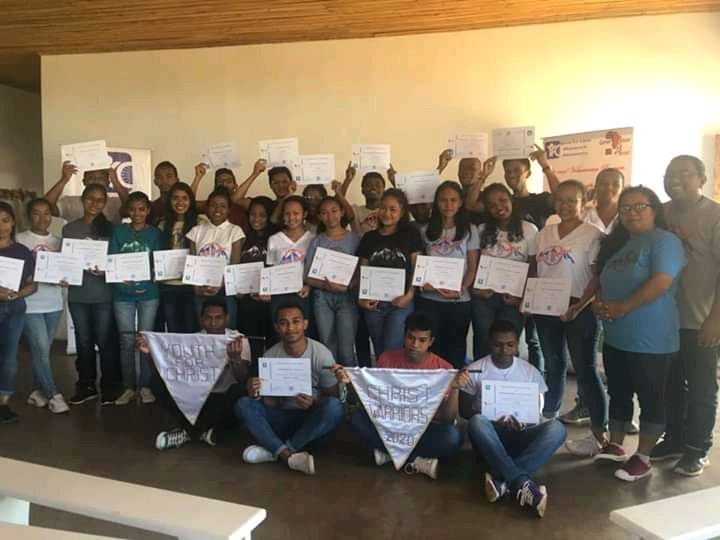
Young people are being reached by applying the principles of 2 Timothy 2:2–Evangelism, Discipleship, and Equipping–to mobilize them to share with their peers across the nation.
Current ministries include evangelism through:

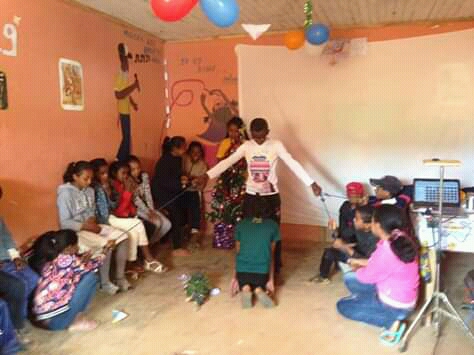
  • ESG clubs or English Speaking Generation with 250 young people each year
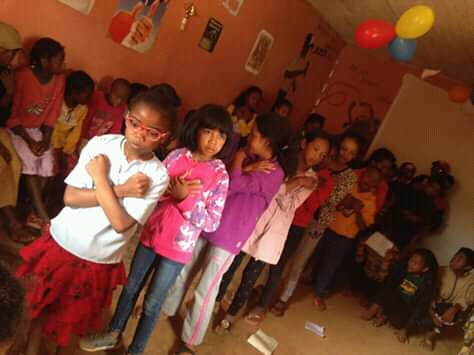
  • music/dance teams
  • drama
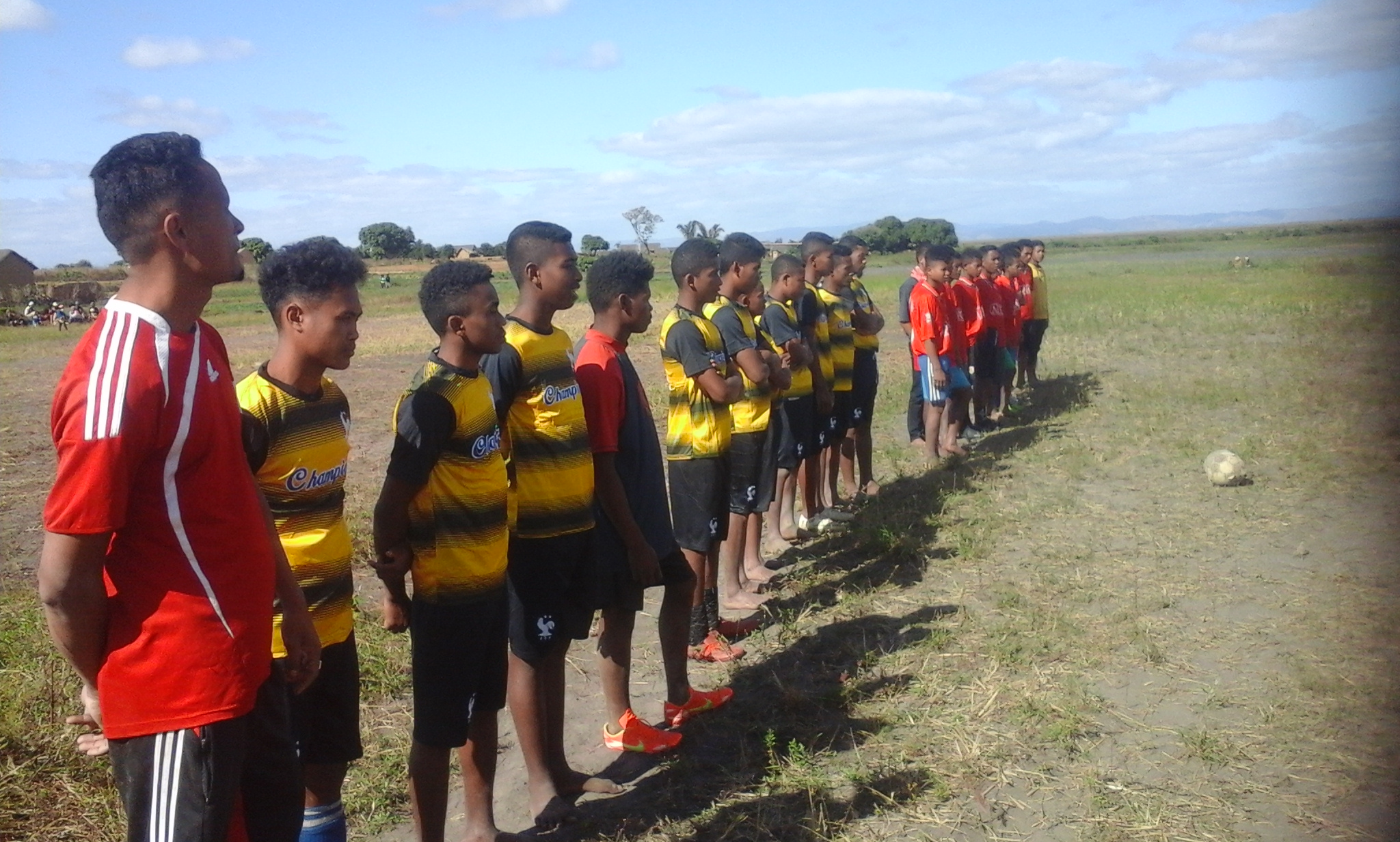
  • sports outreaches in schools
  • four radio programs
  • weekly prison ministry
  • training pastors in leadership and management
  • evangelism training for churches
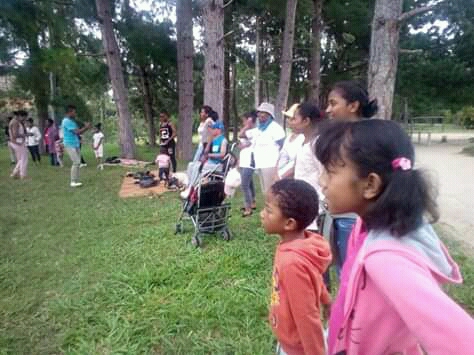
  • social events promoting hygiene in the community
  • planting trees
  • translation assistance
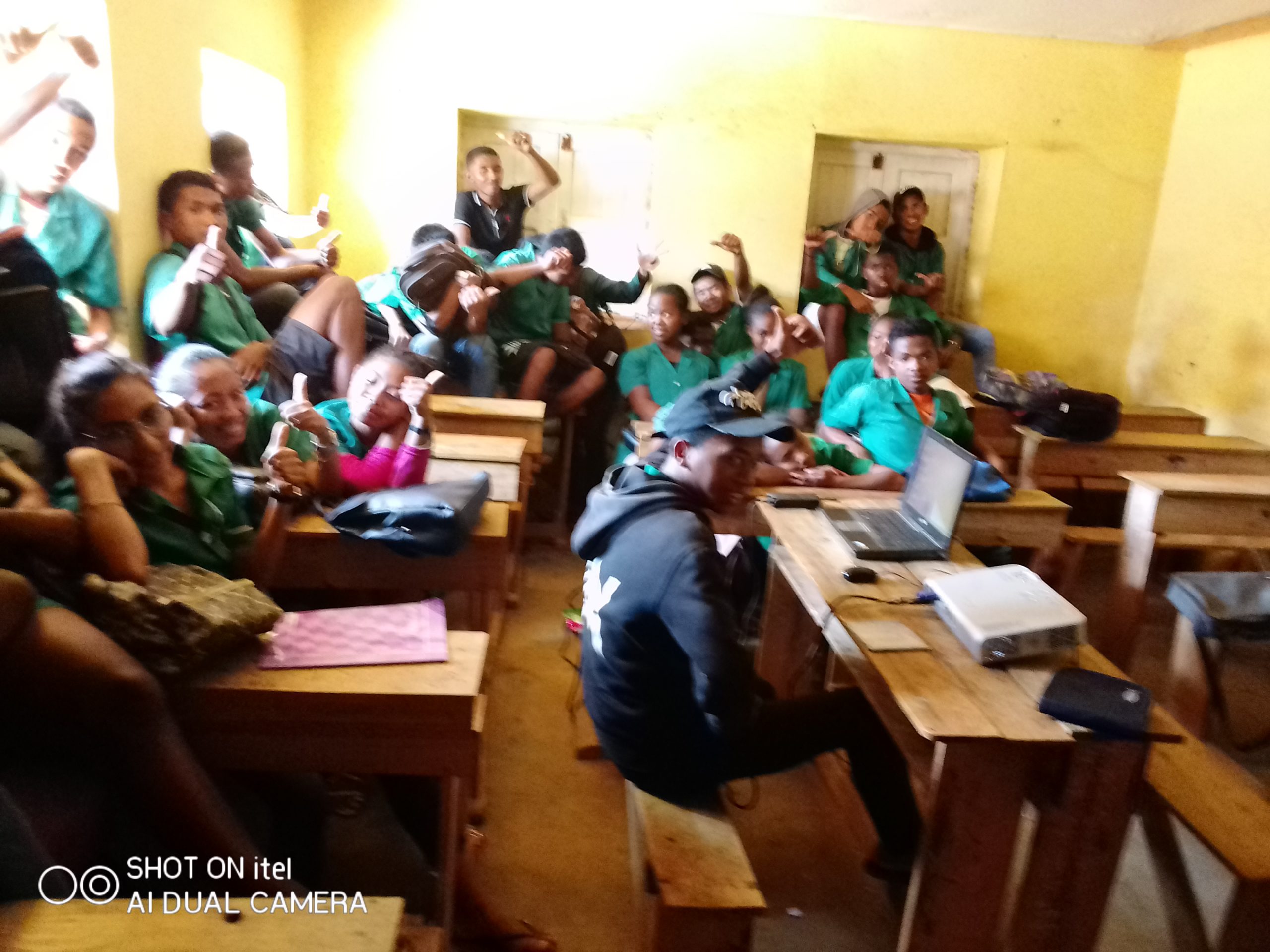
  • schools ministry (weekly evangelism outreaches and discipleship programs)

The Madagascar team is working to spread ministry in 6 provinces and 22 regions of the country by equipping and mobilizing churches to reach youth by evangelism. They are now in three provinces and four regions. They are also in the process of finding land or a building in the centre town for a Youth for Christ ministry centre and are also in the process of building a camp and training centre on land in the countryside.

Prayer Needs

Please pray for:

  • funding development and support raising for all ministry staff
  • challenges of follow-up and discipleship for the many young people who make commitments to Christ
  • the building for a new Youth for Christ Ministry Centre and University buildings
  • staff families – God’s provision of a house and other finances; spiritual and biblical training
  • wise strategies to extend ministry into the provinces of Madagascar
  • implementation of the G21 Now vision across the island
  • increased positive relations with the local church
  • restructuring of the Youth for Christ Board
  • the project of planting millions of trees with an environmental organization and churches
  • new YFC ministries starting in Fianarantsoa and Moramanga

About Madagascar

Madagascar

Map of Madagascar

Introduction

Formerly an independent kingdom, Madagascar became a French colony in 1896 but regained independence in 1960. During 1992-93, free presidential and National Assembly elections were held ending 17 years of single-party rule. In 1997, in the second presidential race, Didier RATSIRAKA, the leader during the 1970s and 1980s, was returned to the presidency. The 2001 presidential election was contested between the followers of Didier RATSIRAKA and Marc RAVALOMANANA, nearly causing secession of half of the country. In April 2002, the High Constitutional Court announced RAVALOMANANA the winner. RAVALOMANANA achieved a second term following a landslide victory in the generally free and fair presidential elections of 2006. In early 2009, protests over increasing restrictions on opposition press and activities resulted in RAVALOMANANA stepping down and the presidency was conferred to the mayor of Antananarivo, Andry RAJOELINA. Following negotiations in July and August of 2009, a power-sharing agreement with a 15-month transitional period was established, but has not yet been implemented.

Geography

Location

Location: Southern Africa, island in the Indian Ocean, east of Mozambique
Geographic Coordinates: 20 00 S, 47 00 E

Area

Total Area: 587,041 sq km Rank: 46
Land Area: 581,540 sq km
Water Area: 5,501 sq km
Comparison: slightly less than twice the size of Arizona
Land Boundaries: 0 km
Coastline: 4,828 km

Climate

tropical along coast, temperate inland, arid in south

Terrain

narrow coastal plain, high plateau and mountains in center

Elevations

Lowest Point: Indian Ocean 0 m
Highest Point: Maromokotro 2,876 m

Natural Resources

graphite, chromite, coal, bauxite, salt, quartz, tar sands, semiprecious stones, mica, fish, hydropower

Land Use

Arable land: 5.03%
Permanent Crops: 1.02%
Other: 93.95% (2005)
Irrigated Land: 10,860 sq km (2003)
Renewable Water Resources: 337 cu km (1984)
Total Freshwater withdrawal (domestic/industrial/agricultural): 14.96 cu km/yr (3%/2%/96%)
Freshwater Withdrawal Per Capita: 804 cu m/yr (2000)

Environment

Natural Hazards: periodic cyclones; drought; and locust infestation
Environmental Issues: soil erosion results from deforestation and overgrazing; desertification; surface water contaminated with raw sewage and other organic wastes; several endangered species of flora and fauna unique to the island
Environmental Agreements: Party to: Biodiversity, Climate Change, Climate Change-Kyoto Protocol, Desertification, Endangered Species, Hazardous Wastes, Law of the Sea, Marine Life Conservation, Ozone Layer Protection, Ship Pollution, Wetlands

Geography Notes

world's fourth-largest island; strategic location along Mozambique Channel

People

Population: 20,653,556 (July 2010 est.) Rank: 56

Age Structure

0-14 years: 43.5% (male 4,523,033/female 4,460,473)
15-64 years: 53.5% (male 5,483,684/female 5,557,098)
65 years and over: 3% (male 280,677/female 348,591) (2010 est.)
Median Age: 17.8 years

Population Growth

Growth Rate: 3% (2010 est.) Rank: 12
Birth Rate: 38.14 births/1,000 population (2010 est.) Rank: 21
Death Rate: 8.14 deaths/1,000 population (July 2010 est.) Rank: 104
Net Migration Rate: NA

Urbanization

Urban Population: 29% of total population (2008)
Rate of Urbanization: 3.8% annual rate of change (2005-10 est.)

Life and Death

Infant Mortality Rate: 54.2 deaths/1,000 live births Rank: 47
Life Expectancy at Birth: 62.89 years Rank: 176
Fertility Rate: 5.09 children born/woman (2010 est.) Rank: 23

Health and Disease

HIV/AIDS - Adult Prevalence Rate: 0.1% (2007 est.) Rank: 117
People living with HIV/AIDS: 14,000 (2007 est.) Rank: 88
HIV/AIDS Deaths: fewer than 1,000 (2007 est.) Rank: 79
Degree of Risk for Major Infectious Diseases: very high
Food or waterborne diseases: bacterial and protozoal diarrhea, hepatitis A, and typhoid fever
Vectorborne Diseases: chikungunya, malaria, and plague
Water Contact Diseases: schistosomiasis (2009)

Nationality and Culture

Noun: Malagasy (singular and plural)
Adjective: Malagasy
Ethnic Groups: Malayo-Indonesian (Merina and related Betsileo), Cotiers (mixed African, Malayo-Indonesian, and Arab ancestry - Betsimisaraka, Tsimihety, Antaisaka, Sakalava), French, Indian, Creole, Comoran
Religion: indigenous beliefs 52%, Christian 41%, Muslim 7%
Languages: English (official), French (official), Malagasy (official)

Education

Literacy (Meaning, age 15 and over can read and write): 68.9% Male: 75.5% Female: 62.5% (2003 est.)
School life expectancy (primary to tertiary education): 9 years Male: 10 years Female: 9 years (2006)
Education expenditures: 3.1% of GDP (2006) Rank: 144

Government

Country Name

Conventional Long Form: Republic of Madagascar
Conventional Short Form: Madagascar
Local Long Form: Republique de Madagascar/Repoblikan'i Madagasikara
Local Short Form: Madagascar/Madagasikara
Formerly: Malagasy Republic
Government Type: republic
Capital: Antananarivo Geographic Coordinates: 18 55 S, 47 31 E

Administrative divisions

6 provinces (faritany); Antananarivo, Antsiranana, Fianarantsoa, Mahajanga, Toamasina, Toliara
Independence: 26 June 1960 (from France)
National holiday: Independence Day, 26 June (1960)
Constitution: passed by referendum 19 August 1992
Legal system: based on French civil law system and traditional Malagasy law; accepts compulsory ICJ jurisdiction with reservations
Suffrage: 18 years of age; universal

Executive Branch

Chief of State: President Andry RAJOELINA (since 18 March 2009)
Head of Government: Prime Minister Albert Camille VITAL (since 18 December 2009)
Cabinet: Council of Ministers appointed by the prime minister
Elections: president elected by popular vote for a five-year term (eligible for a second term); election last held on 3 December 2006 (next to be held on 4 May 2011); prime minister appointed by the president
Election Results: percent of vote - Marc RAVALOMANANA 54.8%, Jean LAHINIRIKO 11.7%, Roland RATSIRAKA 10.1%, Herizo RAZAFIMAHALEO 9.1%, Norbert RATSIRAHONANA 4.2%, Ny Hasina ANDRIAMANJATO 4.2%, Elia RAVELOMANANTSOA 2.6%, Pety RAKOTONIAINA 1.7%, other 1.6%; note - RAVALOMANANA stepped down on 17 March 2009
note:: on 17 March 2009, democratically elected President Marc RAVALOMANANA stepped down handing the government over to the military, which in turn conferred the presidency on opposition leader and Antananarivo mayor Andry RAJOELINA, who will head the High Transition Authority; a power-sharing agreement reached in August 2009 established a 15-month transition period, concluding in general elections in 2010; as of December 2009 the agreement had not been fully implemented

Legislative Branch

bicameral legislature consists of a Senate or Senat (100 seats; two-thirds of the members appointed by regional assemblies; the remaining one-third appointed by the president; members to serve four-year terms) and a National Assembly or Assemblee Nationale (127 seats - reduced from 160 seats by an April 2007 national referendum; members elected by popular vote to serve four-year terms)
Elections: National Assembly - last held on 23 September 2007 (next to be held on 16 March 2011); note - a power-sharing agreement in the summer of 2009 established a 15-month transition, concluding in general elections
Election Results: National Assembly - percent of vote by party - NA; seats by party - TIM 106, LEADER/Fanilo 1, independents 20

Judicial branch

Supreme Court or Cour Supreme; High Constitutional Court or Haute Cour Constitutionnelle

Politics

Political Parties and Leaders: Association for the Rebirth of Madagascar or AREMA [Pierrot RAJAONARIVELO]; Democratic Party for Union in Madagascar or PSDUM [Jean LAHINIRIKO]; Economic Liberalism and Democratic Action for National Recovery or LEADER/Fanilo [Herizo RAZAFIMAHALEO]; Fihaonana Party or FP [Guy-Willy RAZANAMASY]; I Love Madagascar or TIM [Marc RAVALOMANANA]; Renewal of the Social Democratic Party or RPSD [Evariste MARSON]
Political Pressure Groups and Leaders: Committee for the Defense of Truth and Justice or KMMR; Committee for National Reconciliation or CRN [Albert Zafy]; National Council of Christian Churches or FFKM
International Organization Participation: ACP, AfDB, AU, COMESA, FAO, G-77, IAEA, IBRD, ICAO, ICC, ICCt, ICRM, IDA, IFAD, IFC, IFRCS, ILO, IMF, IMO, InOC, Interpol, IOC, IOM, IPU, ISO (correspondent), ITSO, ITU, ITUC, MIGA, NAM, OIF, OPCW, SADC, UN, UNCTAD, UNESCO, UNHCR, UNIDO, UNWTO, UPU, WCO, WFTU, WHO, WIPO, WMO, WTO
Flag Description: two equal horizontal bands of red (top) and green with a vertical white band of the same width on hoist side; by tradition, red stands for sovereignty, green for hope, white for purity

Economy

Economy Overview: After discarding socialist economic policies in the mid-1990s, Madagascar has followed a World Bank- and IMF-led policy of privatization and liberalization. This strategy placed the country on a slow and steady growth path from an extremely low level. Agriculture, including fishing and forestry, is a mainstay of the economy, accounting for more than one-fourth of GDP and employing 80% of the population. Exports of apparel have boomed in recent years primarily due to duty-free access to the US. However, Madagascar's failure to comply with the requirements of the African Growth and Opportunity Act (AGOA) led to the termination of the country's duty-free access in January 2010. Deforestation and erosion, aggravated by the use of firewood as the primary source of fuel, are serious concerns. Former President RAVALOMANANA worked aggressively to revive the economy following the 2002 political crisis, which triggered a 12% drop in GDP that year. The current political crisis which began in early 2009 has dealt additional blows to the economy. Tourism dropped more than 50% in 2009, compared with the previous year.

Gross Domestic Product

GDP (purchasing power parity): $20.15 billion (2009 est.) Rank: 123
GDP - real growth rate: -1% (2009 est.) Rank: 127
GDP - per capita (PPP): $1,000 (2009 est.) Rank: 213
GDP - Composition by Sector: Agriculture: 26.4% Industry: 16.6% Services: 57% (2009 est.)

Labor Force

Labor Force: 9.504 million (2007) Rank: 51

Poverty

Population below poverty line: 50% (2004 est.)
total: 8
country comparison to the world: 125
by type: cargo 4, passenger/cargo 2, petroleum tanker 2

Transnational Issues

International Disputes: claims Bassas da India, Europa Island, Glorioso Islands, and Juan de Nova Island (all administered by France); the vegetated drying cays of Banc du Geyser, which were claimed by Madagascar in 1976, also fall within the EEZ claims of the Comoros and France (Glorioso Islands, part of the French Southern and Antarctic Lands)

Want to know more? Show Full Profile